Updated: July 2026
Best Time to Visit Borobudur Luxury in Bali for 2027: Dry Season Months vs. Wet Season Crowds
Key Takeaways
- Borobudur Temple is in Central Java, not Bali; visit nearby luxury hotels like Plataran Heritage Borobudur.
- Dry season (April-October) offers clear skies and less rain for temple visits in Central Java.
- Wet season (November-March) means fewer crowds and potential discounts at luxury hotels near Borobudur Temple.
- Hotel Le Temple Borobudur offers luxury stays with private pools and top-rated guest experiences in Central Java.
For those planning a visit to Borobudur Luxury in Bali, it’s important to know that Borobudur is actually located in Central Java. The best time to visit is during the dry season from April to October, as it provides optimal weather for exploring the iconic Borobudur Temple and enjoying nearby luxury accommodations.
Understanding Borobudur’s Geographic Reality
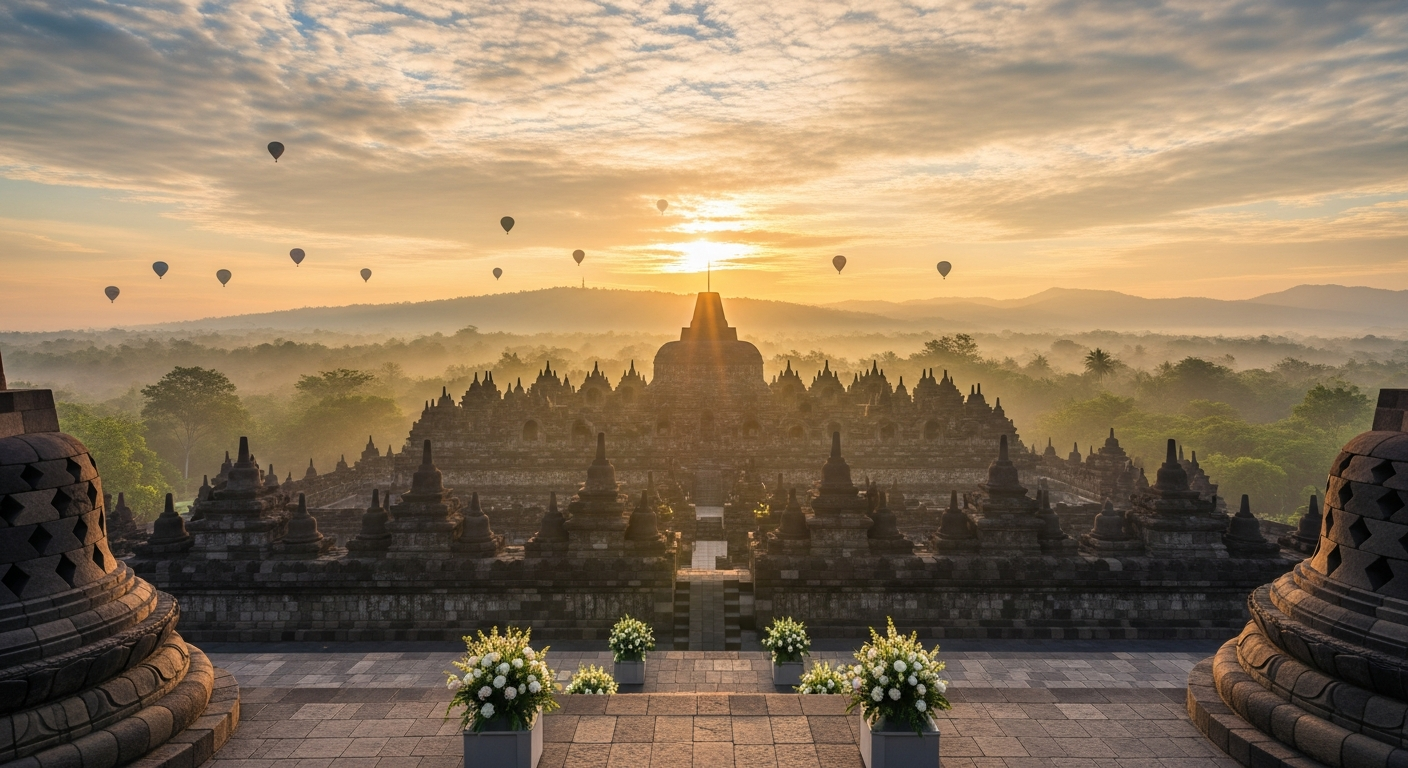
The Borobudur Temple, a UNESCO World Heritage site, is located in Magelang, Central Java, not Bali. This magnificent temple complex is one of Indonesia’s most revered cultural landmarks. Visitors often seek luxury accommodation nearby, such as Plataran Heritage Borobudur Hotel and Amanjiwo, which provide lavish comforts while being close to the historical site. These hotels offer unique experiences with striking views of the surrounding landscapes, making them a top choice for travelers looking to complement their historical exploration with luxury living.
While many travelers conflate Bali with Borobudur due to Indonesia’s general allure, it’s crucial to distinguish between these two distinct regions. Bali is famous for its beaches and lively arts scene, while Borobudur in Central Java is steeped in history and cultural significance. The proximity of luxury accommodations to the temple itself enhances your visit, placing history within a stone’s throw from modern comforts.
The Dry Season: April to October
The dry season in Central Java is considered the best time to visit Borobudur. This period spans from April to October when the region experiences minimal rainfall and abundant sunshine, providing perfect conditions for temple visits and outdoor activities. During these months, the visibility is excellent, allowing for uninterrupted exploration of the Borobudur Temple and its surrounding gardens.
July and August are particularly popular months for tourists due to the ideal weather and holiday season in many parts of the world. Consequently, it’s advisable to book accommodations well in advance, especially if you plan to stay in sought-after luxury hotels like the Plataran Heritage Borobudur Hotel or Villa Borobudur Resort. Rates during the dry season may be higher due to increased demand, but the experience is well worth the cost for those looking to fully appreciate Borobudur’s grandeur.
Wet Season: November to March
Visiting Borobudur during the wet season offers a different experience. This period, from November to March, is characterized by frequent rainfall and lush, green landscapes. While the rain may limit some outdoor activities, the reduced number of visitors provides a more intimate experience of the temple complex. If you don’t mind occasional showers, you might enjoy exploring with fewer crowds and a more serene atmosphere.
Luxury hotels in the Borobudur area, such as Amanjiwo, often offer lower rates during the wet season, making it an attractive option for budget-conscious travelers seeking a luxurious experience. Although the weather can be unpredictable, the charm of Borobudur remains captivating throughout the year, and the wet season offers a unique perspective on the region’s natural beauty.
Luxury Accommodations Near Borobudur
For those who prioritize comfort and luxury, there are several notable accommodations near Borobudur Temple. Plataran Heritage Borobudur Hotel is an excellent choice, located just a short walk from the temple, offering rooms that blend traditional Javanese design with modern amenities. Guests can enjoy panoramic views, a relaxing spa, and exquisite dining options that highlight local culinary traditions.
Amanjiwo, another standout, provides a serene retreat with its exquisite architecture and lush surroundings. Its proximity to Borobudur allows guests to easily visit the temple, while the hotel itself offers a range of activities, including cultural tours and spa treatments. These luxury accommodations enhance the overall experience, ensuring you have a pleasurable stay after exploring Borobudur’s ancient wonders.
Cultural Significance of Borobudur
Built during the 9th century, Borobudur Temple is a testament to Indonesia’s rich history and Buddhist heritage. The temple is designed in the shape of a massive stupa, featuring intricate carvings and statues that depict various stages of enlightenment. Its architectural brilliance and spiritual significance make it a must-visit for history enthusiasts and those interested in the Buddhist faith.
The temple’s strategic location within lush landscapes adds to its allure, drawing visitors from around the world. Engaging with local guides can provide further insights into the temple’s history and its role in contemporary Indonesian culture. The experience of visiting Borobudur is both educational and inspiring, offering a glimpse into the past while encouraging reflection on spiritual and cultural themes.
Exploring Central Java Beyond Borobudur
Central Java offers a wealth of attractions beyond the iconic Borobudur Temple. The region is home to striking natural landscapes, including the Dieng Plateau, which is known for its misty hills and ancient temples. Another notable destination is the Prambanan Temple, a magnificent Hindu temple complex that complements the Buddhist heritage of Borobudur.
The city of Yogyakarta, located just a short drive from Borobudur, serves as a cultural hub where visitors can experience traditional Javanese arts, crafts, and cuisine. The lively markets and historic sites of Yogyakarta provide a rich notable of experiences that highlight the diverse culture of Central Java. Whether you’re exploring ancient temples or immersing yourself in local traditions, Central Java promises an memorable adventure.
Planning Your Visit to Borobudur
When planning your trip to Borobudur, consider the timing of your visit and the type of experience you wish to have. The dry season offers the best weather, while the wet season provides a quieter and possibly more budget-friendly option. Booking your accommodation in advance is crucial, especially if your visit coincides with peak tourist seasons.
Travelers should also consider the various activities available in Central Java, from exploring nearby villages to participating in traditional crafts. A well-planned itinerary can enrich your visit, allowing you to experience the full spectrum of what the region has to offer. Whether you’re drawn to the area’s history, culture, or natural beauty, Borobudur is a destination that promises to leave a lasting impression.
FAQs
Q? Is Borobudur located in Bali?
A: No, Borobudur is located in Magelang, Central Java, Indonesia. It is a separate region from Bali, which is known for its beaches and cultural scene.
Q? When is the best time to visit Borobudur?
A: The best time to visit Borobudur is during the dry season from April to October. This period offers excellent weather conditions for exploring the temple and surrounding attractions.
Q? Are there luxury accommodations near Borobudur?
A: Yes, there are several luxury accommodations near Borobudur, including Plataran Heritage Borobudur Hotel and Amanjiwo, both offering exceptional services and proximity to the temple.
For wider arrangements, our partner baliluxurytransport can coordinate end to end.
Planning something bigger across Indonesia? Plan wider itineraries with labuanbajoluxury.
Explore all luxury travel in Indonesia options and plan your trip.